2006年5月1日 星期一

大胖貓

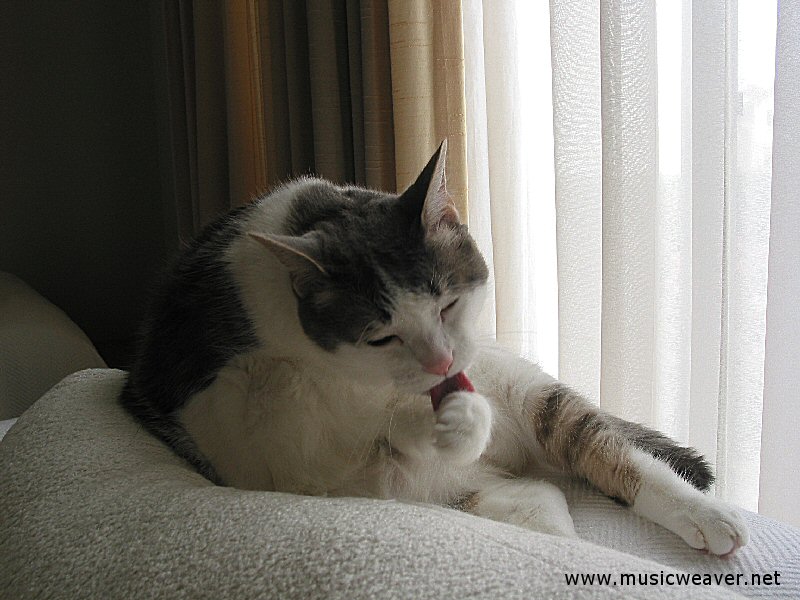
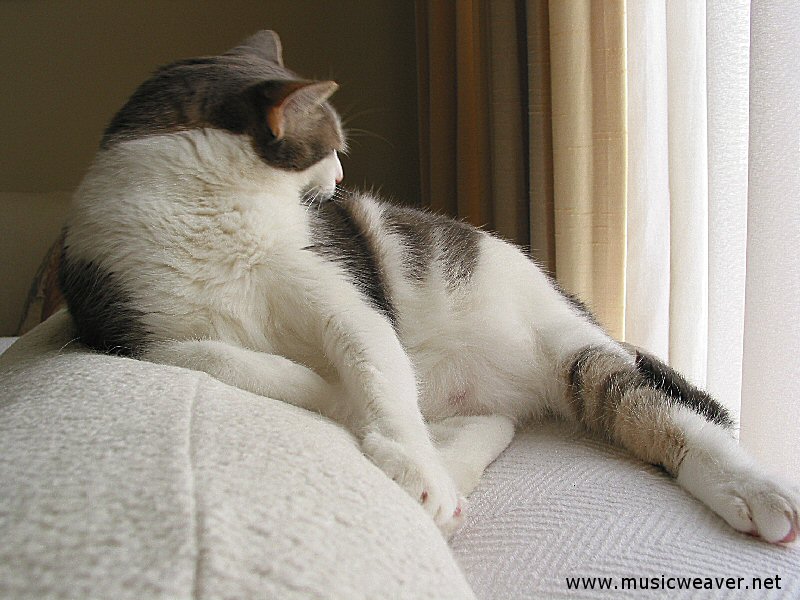
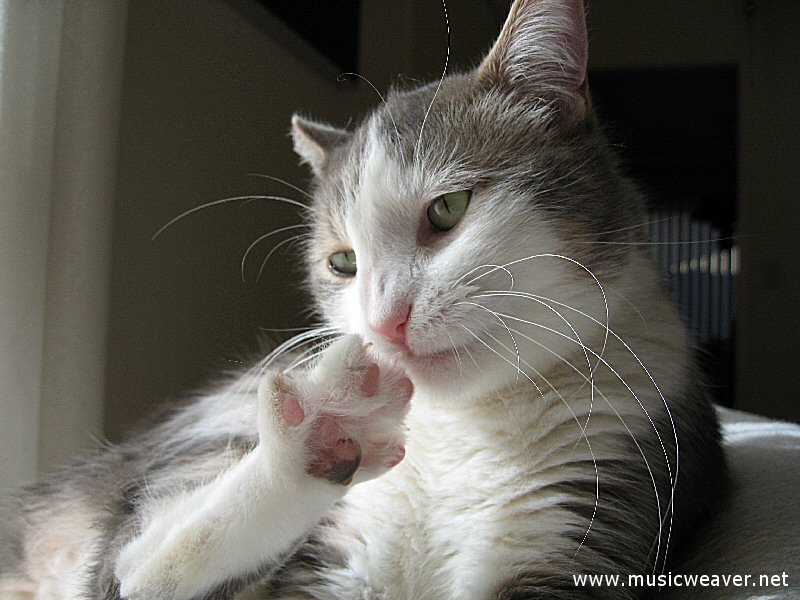
上個禮拜扛了兩隻貓去看醫生。原本是帶 Kiki 去看她的肚子的,結果醫生看一看說也許是跳蚤的關係,叫我回家滴藥看看,三個月之後如果還是沒有毛的話再帶回去看看。然後就扎了 Kiki 一針疫苗。原本我是沒有打算把 Gugu 帶來看醫生的,但是既然 Kiki 都扎一針了,為了公平起見,Gugu 在兩天後也來打一針,順便讓醫生做體檢。結果沒想到, Kiki 是非常容易把她推進去提籃的,但是 Gugu 就會反抗了。而且還向醫生低吼,真是...雖然低吼,但是我看見 Gugu 的腳底猛冒汗,真是虛有其表啊!

檢查結果,Gugu 有一支牙齒斷掉了,醫生建議把它取出,否則以後 Gugu 痛起來就糟糕了。拔牙加洗牙大約要美金四百多塊錢左右!!天哪,我的銀兩啊~然後兩隻都被醫生建議要減肥。Gugu 有 14 磅 3 盎司,Kiki 有 16 磅 8 盎司!真的要減肥了!

2006年4月23日 星期日

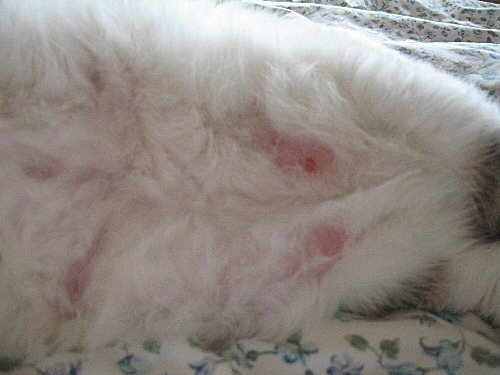
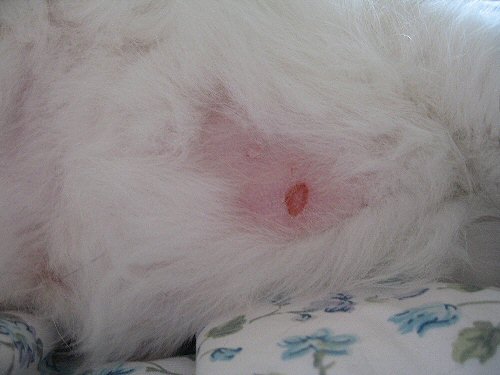
Kiki 的肚肚沒有毛

嗚...前幾天發現 Kiki 翻肚肚的時候,有兩處紅紅的。仔細一看,不得了,毛都被舔沒了!

不知道為什麼,其中兩個乳頭周圍的毛被 Kiki 自己舔掉了!到底是過敏呢,還是其他原因?唉,明天要打電話給獸醫約時間了。想到要帶這個超級膽小的小姐出門實在有頭痛!

插花一下,兩個禮拜前去買東西,結果在停車場看到一隻英國古代牧羊犬乖乖地趴在貴貴的 BMW 敞篷跑車上等主人,好可愛喔!

2006年4月18日 星期二

從對待餐廳侍者看一個人的人格

前天在 Yahoo 看到這一篇文章,覺得很有道理,所以貼出來讓大家看看:
原文章出處:
這裡

CEOs say how you treat a waiter can predict a lot about character

By Del Jones, USA TODAY Fri Apr 14, 7:57 AM ET

Office Depot CEO Steve Odland remembers like it was yesterday working in an upscale French restaurant in Denver.

The purple sorbet in cut glass he was serving tumbled onto the expensive white gown of an obviously rich and important woman. "I watched in slow motion ruining her dress for the evening," Odland says. "I thought I would be shot on sight."


Thirty years have passed, but Odland can't get the stain out of his mind, nor the woman's kind reaction. She was startled, regained composure and, in a reassuring voice, told the teenage Odland, "It's OK. It wasn't your fault." When she left the restaurant, she also left the future Fortune 500 CEO with a life lesson: You can tell a lot about a person by the way he or she treats the waiter.


Odland isn't the only CEO to have made this discovery. Rather, it seems to be one of those rare laws of the land that every CEO learns on the way up. It's hard to get a dozen CEOs to agree about anything, but all interviewed agree with the Waiter Rule.

They acknowledge that CEOs live in a Lake Wobegon world where every dinner or lunch partner is above average in their deference. How others treat the CEO says nothing, they say. But how others treat the waiter is like a magical window into the soul.

And beware of anyone who pulls out the power card to say something like, "I could buy this place and fire you," or "I know the owner and I could have you fired." Those who say such things have revealed more about their character than about their wealth and power.

Whoever came up with the waiter observation "is bang spot on," says BMW North America President Tom Purves, a native of Scotland, a citizen of the United Kingdom and Northern Ireland, who lives in New York City with his Norwegian wife, Hilde, and works for a German company. That makes him qualified to speak on different cultures, and he says the waiter theory is true everywhere.

The CEO who came up with it, or at least first wrote it down, is Raytheon CEO Bill Swanson. He wrote a booklet of 33 short leadership observations called Swanson's Unwritten Rules of Management. Raytheon has given away
250,000 of the books.

Among those 33 rules is only one that Swanson says never fails: "A person who is nice to you but rude to the waiter, or to others, is not a nice person."

Swanson says he first noticed this in the 1970s when he was eating with a man who became "absolutely obnoxious" to a waiter because the restaurant did not stock a particular wine.

"Watch out for people who have a situational value system, who can turn the charm on and off depending on the status of the person they are interacting with," Swanson writes. "Be especially wary of those who are rude to people perceived to be in subordinate roles."

The Waiter Rule also applies to the way people treat hotel maids, mailroom clerks, bellmen and security guards. Au Bon Pain co-founder Ron Shaich, now CEO of Panera Bread, says he was interviewing a candidate for general counsel in St. Louis. She was "sweet" to Shaich but turned "amazingly rude" to someone cleaning the tables, Shaich says. She didn't get the job.

Shaich says any time candidates are being considered for executive positions at Panera Bread, he asks his assistant, Laura Parisi, how they treated her, because some applicants are "pushy, self-absorbed and rude" to her before she transfers the call to him.

Just about every CEO has a waiter story to tell. Dave Gould, CEO of Witness Systems, experienced the rule firsthand when a waitress dumped a full glass of red wine on the expensive suit of another CEO during a contract negotiation. The victim CEO put her at ease with a joke about not having had time to shower that morning. A few days later, when there was an apparent impasse during negotiations, Gould trusted that CEO to have the character to work out any differences.

CEOs who blow up at waiters have an ego out of control, Gould says. "They're saying, 'I'm better. I'm smarter.' Those people tend not to be collaborative."

"To some people, speaking in a condescending manner makes them feel important, which to me is a total turnoff," says Seymour Holtzman, chairman of Casual Male Retail Group, which operates big-and-tall men's clothing stores including Casual Male XL.

How people were raised

Such behavior is an accurate predictor of character because it isn't easily learned or unlearned but rather speaks to how people were raised, says Siki Giunta, CEO of U.S. technology company Managed Objects, a native of Rome who once worked as a London bartender.

More recently, she had a boss who would not speak directly to the waiter but would tell his assistant what he wanted to eat, and the assistant would tell the waiter in a comical three-way display of pomposity. What did Giunta learn about his character? "That he was demanding and could not function well without a lot of hand-holding from his support system," she said.

It's somewhat telling, Giunta says, that the more elegant the restaurant, the more distant and invisible the wait staff is. As if the more important the customer, the less the wait staff matters. People view waiters as their temporary personal employees. Therefore, how executives treat waiters probably demonstrates how they treat their actual employees, says Sara Lee CEO Brenda Barnes, a former waitress and postal clerk, who says she is a demanding boss but never shouts at or demeans an employee.

"Sitting in the chair of CEO makes me no better of a person than the forklift operator in our plant," she says. "If you treat the waiter, or a subordinate, like garbage, guess what? Are they going to give it their all? I don't think so."

CEOs aren't the only ones who have discovered the Waiter Rule. A November survey of 2,500 by It's Just Lunch, a dating service for professionals, found that being rude to waiters ranks No. 1 as the worst in dining etiquette, at 52%, way ahead of blowing your nose at the table, at 35%.

Waiters say that early in a relationship, women will pull them aside to see how much their dates tipped, to get a read on their frugality and other tendencies. They are increasingly discussing boorish behavior by important customers at
www.waiterrant.net and other blogs. They don't seem to mind the demanding customer, such as those who want meals prepared differently because of high blood pressure. But they have contempt for the arrogant customer.

Rule works with celebrities, too

The Waiter Rule also applies to celebrities, says Jimmy Rosemond, CEO of agency Czar Entertainment, who has brokered deals for Mike Tyson, Mario Winans and Guerilla Black. Rosemond declines to name names, but he remembers one dinner episode in Houston a few years back with a rude divisional president of a major music company.

When dinner was over, Rosemond felt compelled to apologize to the waiter on the way out. "I said, 'Please forgive my friend for acting like that.' It's embarrassing. They go into rages for simple mistakes like forgetting an order."

Rosemond says that particular music executive also treated his assistants and interns poorly - and was eventually fired.

Odland says he saw all types of people 30 years ago as a busboy. "People treated me wonderfully and others treated me like dirt. There were a lot of ugly people. I didn't have the money or the CEO title at the time, but I had the same intelligence and raw ability as I have today.

"Why would people treat me differently? Your value system and ethics need to be constant at all times regardless of who you are dealing with."

Holtzman grew up in the coal-mining town of Wilkes-Barre, Pa., and in the 1950s saw opportunity as a waiter 90 miles away in the Catskill Mountains, where customers did not tip until the end of the week. When they tipped poorly, he would say: "Sir, will you and your wife be tipping separately?"
"I saw a lot of character, or the lack thereof," says Holtzman, who says he can still carry three dishes in his right hand and two in his left.

"But for some twist of fate in life, they're the waiter and you're the one being waited on," Barnes says.


2006年4月8日 星期六

觀後感:傲慢與偏見

好吧,我看的電影都不是最新發行的。都是等到電影出了 DVD 之後我才會去把它借來看。因為我捨不得花錢坐在黑矇矇的電影院裡兩個小時﹝可是我卻肯花錢去看戲劇表演﹞。借了 2005 年版的電影「傲慢與偏見」,放在桌子上好幾個禮拜了,一直到昨天才看。看完之後,忍不住和 1995 年英國 BBC 電視版的「傲慢與偏見」做比較。因為在我的心目中,電視版的已經是經典了,後來再拍的「傲慢與偏見」讓我懷疑,到底沒有辦法青出於藍?

2005 年電影版「傲慢與偏見」

2006年4月1日 星期六

日光節約時間

今天四月二日,在美洲及歐洲的朋友不要忘了把時間調快一個小時啊!因為日光節約時間又到了,我又少了一個小時可以用,最不能習慣的是我少了一個小時的睡眠。星期一上班的時候一定很難起床。十月是我最快樂的月份,因為少掉了這一個小時就還給我了。記得台灣很早已前也有日光節約時間,但是不知道從什麼時候就廢除了。雖然有了日光節約時間,白天變長了,聽美國政府部門的統計,用電量也變少了,但是我還是沒有從這多一個小時、少一個小時的時間變換中得到什麼樂趣。夏天下班時天色還很亮,看見亮晃晃的陽光我就會想,唉,天氣這麼好,我為什麼要窩在辦公室一整天?可是冬天下班的時候天色都已經很暗了,這個時候我會想,唉,天都已經黑了,我為什麼要窩在辦公室一整天?

2006年3月14日 星期二

台灣魅影報導之牢騷篇

剛剛看了一篇時報週刊對於這次 The Phantom of the Opera 到台灣演出的報導, 我讀完真的是火冒三丈。身為一位「有點」資深的迷﹝Phan﹞非得跳出來說幾句話才行。 時報週刊裡面提到:「《歌劇魅影》來台消息一曝光,就成為各方焦點,但有立委質疑,本次來台演出的成員,根本是三線演員,立委更以『一流票價、三流演員』來評斷此次來台演出的卡司。」這位立委到底是哪位?請自己站出來承認自己是錯的好嗎?請問在演員來表演之前,您聽過 Brad Little、Marni Raab、或是 Ana Marina 的歌聲嗎?如果有先入為主的觀念「巡迴演出的演員都是三流的」,這樣子的話實在是太不負責任了﹝怒氣﹞。雖然每一齣戲劇巡迴演出的演員並不是原班人馬﹝original cast﹞,也不一定是合作很久的夥伴,但是我想每個劇組都是經過挑選才能出來表演的吧。最少在美國國內音樂劇巡演的班底每個都不比在百老匯的差。

2006年3月7日 星期二

兩貓的洗澡時間

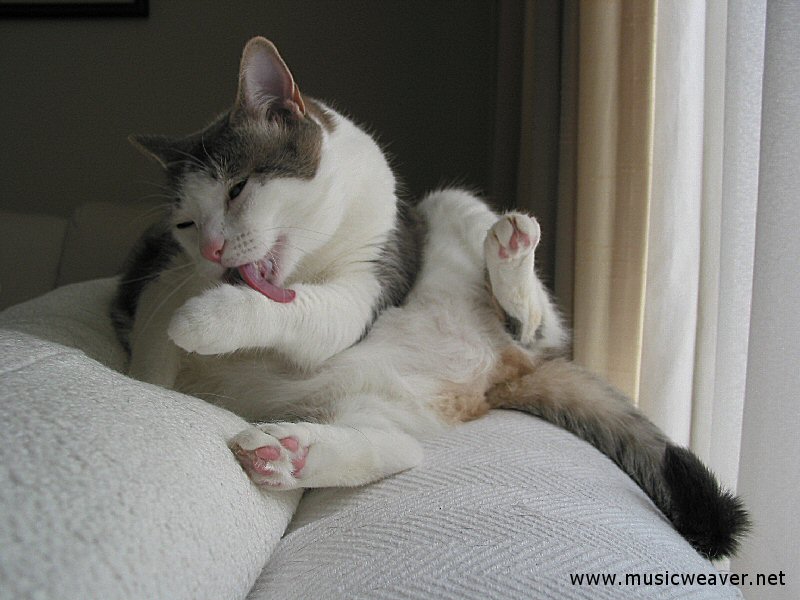
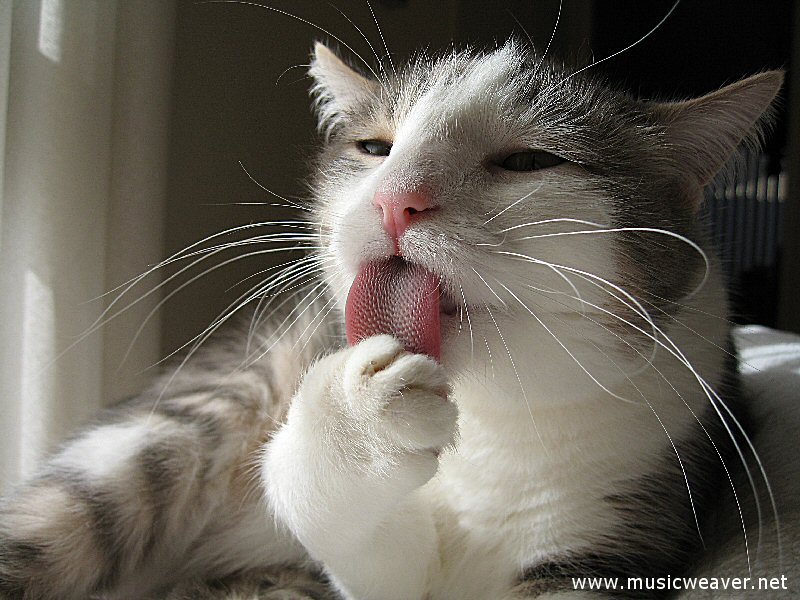
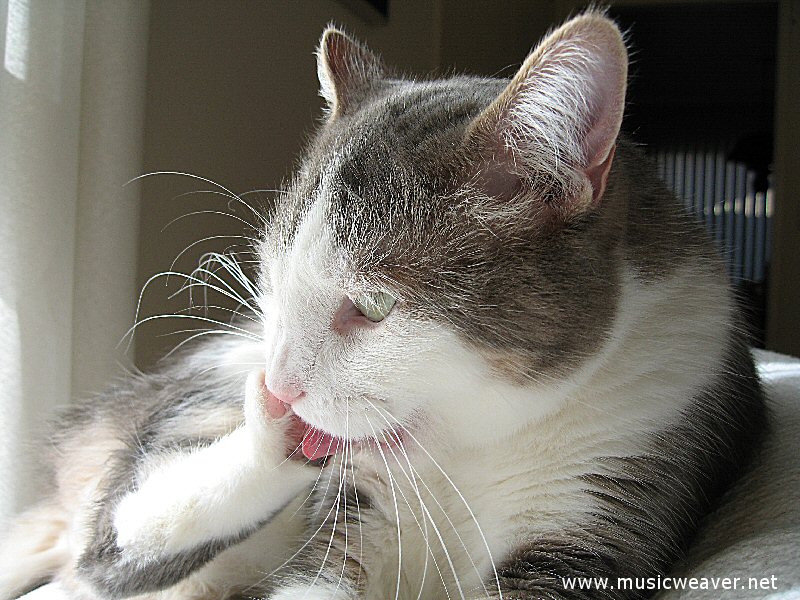
Kiki:洗澡的時間到了!先從手開始...
Kiki:我舔...
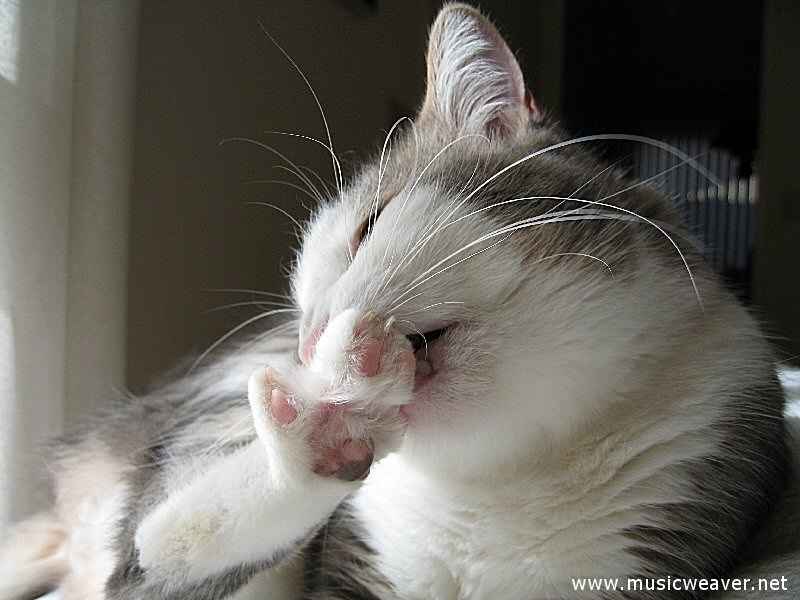
Kiki:嘿~背後也不可以漏掉!
Kiki:我雖然圓圓的,瑜珈還難不倒我!
柳兒:喂喂喂小姐啊,腳忘記放下來啦!
*舔到忘我當中*
Gugu:嗯,洗澡的時間到了!
也是先從手開始...
Gugu:咬咬咬!
Gugu:啃啃啃!
Gugu:我再啃!
*鏘* Gugu:嗯,指甲夠尖了,抓沙發剛剛好!

2006年3月4日 星期六

Barona Casino

去年十一月,跑了一趟聖地牙哥近郊的 Barona Casino。聖地牙哥郊區有幾家在印地安保留區的賭場,但我們通常都是捨近求遠地跑到拉斯維加斯去。這次趁著天氣好,來個一日來回的郊外踏青。印地安保留區通常都在土地貧瘠、鳥不生蛋的地方,所以印地安人為了求生存,蓋了不少賭場。
農村風格的建築
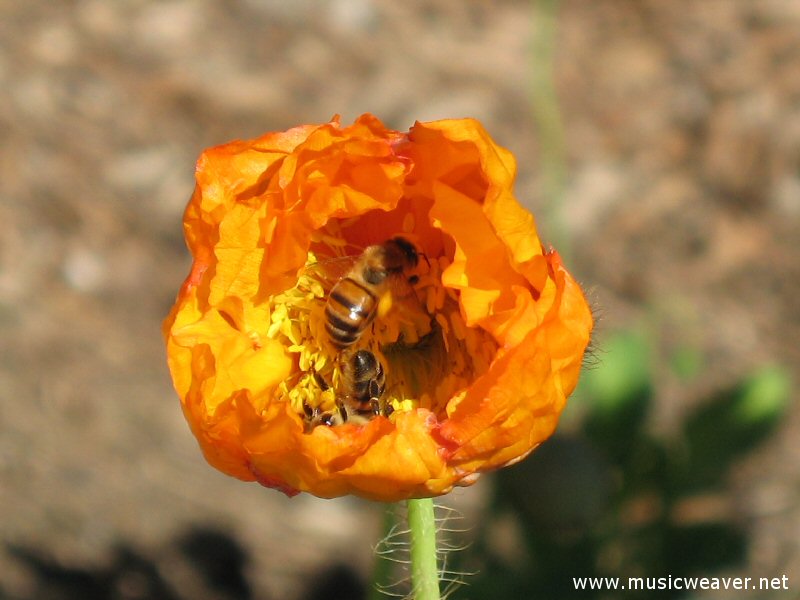
蜜蜂採蜜
Poppy﹝罌粟﹞?
賭場前的小橋流水
旅館房間
水車
這是什麼花?
什麼果實?
風車
蜜蜂採蜜
高爾夫球場
高爾夫球場